Same Factory, Different Label: The Uncomfortable Truth Behind 'Ethical' Brand Supply Chains
Here's a scenario that might make your stomach drop a little. You spend forty-five minutes researching a brand before checkout. You read the About page. You find the sustainability PDF. You check the certifications. You feel good. You buy the shirt.
Then, three months later, you stumble across a supply chain investigation that reveals that same brand sources from the same manufacturing facility in Bangladesh that produces for — checks notes — one of the fast fashion giants you've been actively avoiding for two years.
So what just happened? And more importantly, does it mean everything you thought you knew about ethical fashion is a lie?
Not exactly. But it's definitely more complicated than a lot of brands want you to believe.
Why Shared Factories Are More Common Than You Think
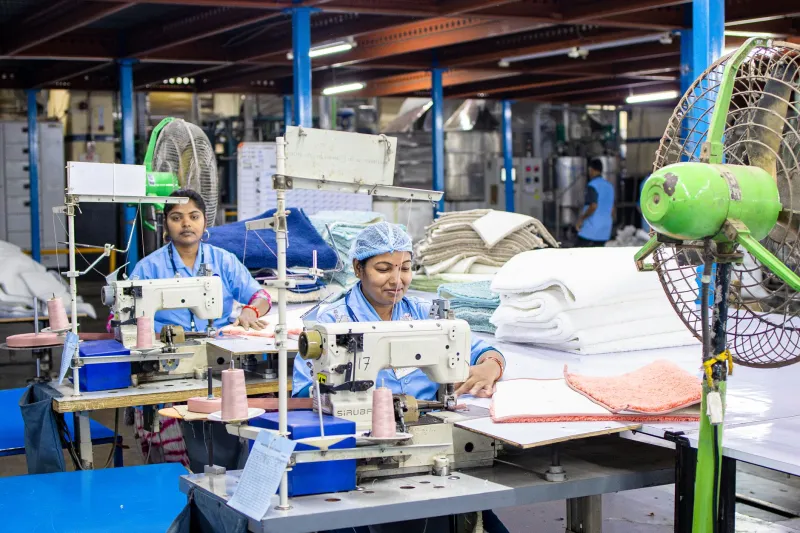
The global apparel manufacturing industry isn't a wide-open landscape of thousands of independent facilities. It's actually a surprisingly concentrated network. A relatively small number of large-scale factories — particularly in Bangladesh, Vietnam, India, and Cambodia — handle the overwhelming majority of the world's garment production. These facilities have the capacity, the certifications, and the infrastructure that brands of all sizes need.
This means that when a mid-tier ethical brand is looking for a manufacturer, they're often shopping from the same pool of options as H&M or Zara. The difference, in theory, is what they negotiate for once they get there: better wages, stricter environmental controls, smaller production runs, more rigorous quality oversight.
In theory.
In practice, a brand with a $2 million annual production budget has almost zero leverage in a factory that's processing $200 million in orders from a fast fashion conglomerate. The factory isn't going to restructure its labor practices because one small ethical brand asked nicely. And the ethical brand, if they're being honest, often doesn't have the resources to audit and enforce the standards they're publicly claiming.
The Certification Problem
Certifications are supposed to solve this. GOTS (Global Organic Textile Standard), Fair Trade, B Corp, OEKO-TEX — these exist precisely to give consumers a third-party verification that a brand isn't just making things up.
And they do matter. A GOTS-certified facility has genuinely been audited for chemical use, water management, and labor conditions. A Fair Trade certification means workers in that supply chain received a premium on top of their wages.
But here's the catch: certifications apply to specific processes, not to entire brand identities. A factory can be GOTS-certified for one production line and running entirely different standards on another. A brand can source one fabric from a certified supplier and everything else from wherever is cheapest. The certification on the hangtag might be completely accurate and still tell you almost nothing about the full picture.
There's also the issue of audit frequency. Many third-party audits happen annually, or even less often. A lot can change in a year inside a manufacturing facility. Labor conditions, subcontracting arrangements, chemical suppliers — these shift constantly, and the certification snapshot doesn't always reflect current reality.
The Language Brands Use to Stay Vague
Spend some time reading ethical brand websites and you'll start to notice certain phrases showing up over and over. "Ethical production partners." "Carefully vetted manufacturers." "Factories we trust." "Responsible sourcing."
None of these phrases mean anything specific. They're not regulated. They're not defined. A brand can use all of them while producing in a facility that also churns out throwaway fashion for the lowest bidder.
The language that actually means something looks different. It includes named factories with addresses. It includes published audit results, not just the fact that audits happened. It includes specific wage data — not just "above minimum wage" but actual numbers. It includes information about subcontracting policies, because the factory a brand works with directly might outsource overflow production to a facility with zero ethical oversight.
If a brand's transparency page is long on beautiful photography and short on verifiable specifics, that's worth noticing.
Why Small Brands End Up Here
It's worth being honest about something: a lot of the brands in this gray zone aren't villains. They're small companies started by people who genuinely wanted to do better, running up against the structural reality that doing better costs more than their margins can support.
Building a fully independent, deeply audited supply chain from scratch is expensive and logistically brutal. It requires relationships, volume commitments, and operational capacity that most small brands simply don't have in their early years. So they make compromises. They use available manufacturers. They apply the standards they can enforce and let others slide. And then they write an About page that describes the vision more than the reality.
That doesn't make it okay. But it does mean the solution isn't just "buy from better brands" — it's understanding that the entire infrastructure of fashion production needs to change, and that consumer pressure is one of the few forces that can actually push it.
How to Actually Verify What You're Buying Into
So what can you actually do with this information? A few things.
Look for named factories. Brands that are genuinely committed to transparency will tell you exactly where their clothes are made. Not just "a family-owned factory in Portugal" but an actual name and location. Some go further and publish their full supplier lists. That's the standard worth holding others to.
Use existing databases. Good On You rates thousands of brands on labor, environment, and animal welfare — and their ratings are based on verifiable evidence, not brand self-reporting. The Open Apparel Registry is a publicly available database of garment factories and the brands that use them. These tools aren't perfect, but they're a lot more useful than a brand's own sustainability page.
Ask directly. This sounds almost quaint, but emailing a brand with specific questions — Who manufactured this garment? Can you share your most recent factory audit? Do you have a subcontracting policy? — is genuinely useful. Brands that have nothing to hide will answer. Brands that respond with vague reassurances are telling you something.
Weight certifications appropriately. A B Corp certification is meaningful, but it evaluates the company overall, not its supply chain specifically. GOTS or Fair Trade on a specific product is more targeted. Neither is a substitute for direct transparency.
Factor in volume and leverage. A brand that produces large enough runs to actually influence factory conditions is different from one placing token orders. Ask about their production relationships — how long have they worked with their manufacturers, and what accountability mechanisms exist?
The Bigger Picture
Shared factories aren't automatically a scandal. The real question is what a brand is actually doing within those shared spaces — and whether their claims match their contracts.
The ethical fashion industry has a transparency problem that goes deeper than individual bad actors. It's baked into the economics of global manufacturing, the limitations of third-party auditing, and the marketing incentives that reward vague virtue-signaling over hard specifics.
None of that means you should give up on trying to shop with intention. It means you should hold your favorite brands to a higher standard of specificity — and trust the ones willing to give it to you.