What 10 Ethical Fashion Basics Actually Cost — And How to Do the Math Right
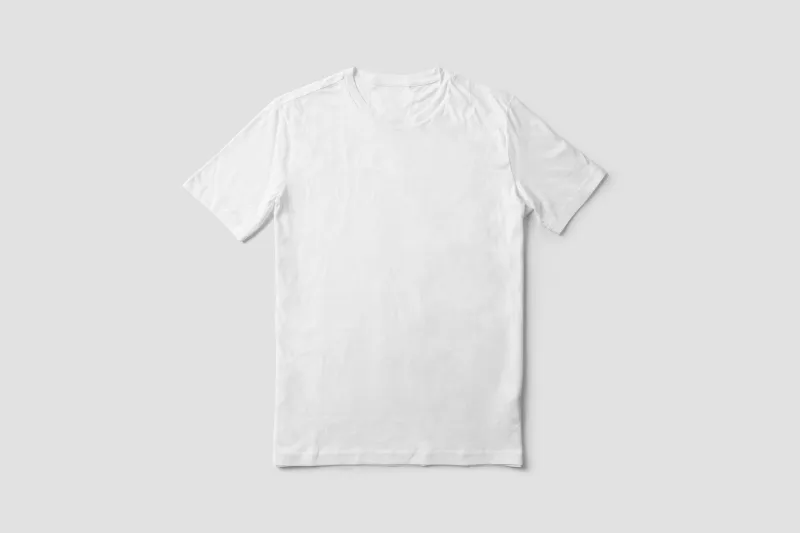
Let's just say the number out loud: a cruelty-free, sustainably made white t-shirt can cost $45. Maybe $60. Sometimes more.
And a fast fashion version costs $8.
If you stop the analysis there, ethical fashion looks like a luxury. But stopping there is exactly the wrong place to stop. The real story is in what happens after you buy — how long it lasts, how often you wear it, and what it actually costs per use. When you run those numbers, the math shifts in ways that are genuinely surprising.
Here's a transparent look at 10 ethical fashion basics, what they realistically cost, and how they stack up against their fast fashion counterparts.
How We're Thinking About This
Cost-per-wear is simple: divide the price of an item by the number of times you wear it. A $60 shirt you wear 200 times costs $0.30 per wear. An $8 shirt you wear 15 times before it pills, fades, or falls apart costs $0.53 per wear. The cheap shirt is actually the more expensive one.
For each item below, we've estimated realistic wear counts based on quality differences and general durability data. Fast fashion estimates skew conservative — many people wear these items far fewer times than they think.
1. White T-Shirt
Fast fashion: ~$8–$12 | Estimated 20–30 wears before quality degrades Ethical alternative: ~$35–$65 (brands like Pact, Kotn, or tentree) | Estimated 150–200 wears
Cost-per-wear: Fast fashion ~$0.40 | Ethical ~$0.25–$0.35
The white tee is where the cost-per-wear argument is most obvious. Cheap cotton goes transparent, shrinks, and yellows fast. A well-made organic cotton tee holds its shape and color for years.
2. Everyday Jeans
Fast fashion: ~$25–$40 | Estimated 50–80 wears Ethical alternative: ~$100–$180 (Nudie Jeans, Boyish, Outland Denim) | Estimated 300–500 wears
Cost-per-wear: Fast fashion ~$0.40–$0.50 | Ethical ~$0.25–$0.45
This one is close, but ethical jeans also come with free repairs from most of these brands — which extends their life dramatically. Factor that in and the ethical option wins.
3. Plain Sneakers
Fast fashion: ~$20–$35 | Estimated 6–12 months of regular wear Ethical alternative: ~$80–$140 (Veja, Native Shoes, Allbirds) | Estimated 2–4 years
Cost-per-wear: Fast fashion ~$0.10–$0.18/day | Ethical ~$0.07–$0.12/day
Sneakers are one of the clearest wins for investing in quality. Cheap soles break down, uppers crack, and the shoe becomes unwearable — often before it's even ugly.
4. Black Leggings
Fast fashion: ~$12–$20 | Estimated 40–60 wears before pilling or sheerness Ethical alternative: ~$60–$95 (Girlfriend Collective, Threads 4 Thought) | Estimated 150–200 wears
Cost-per-wear: Fast fashion ~$0.25–$0.33 | Ethical ~$0.35–$0.45
This is one category where the ethical option doesn't always win on pure math — especially if you're buying from the higher end. Budget tip: Girlfriend Collective's sale section frequently has pieces under $40, which rebalances the equation significantly.
5. A Basic Crewneck Sweatshirt
Fast fashion: ~$15–$25 | Estimated 30–50 wears Ethical alternative: ~$55–$90 (Pact, Alternative Apparel, tentree) | Estimated 200–300 wears
Cost-per-wear: Fast fashion ~$0.35–$0.50 | Ethical ~$0.20–$0.35
Heavy fleece from ethical brands holds its weight and texture in a way that fast fashion just doesn't. The difference is noticeable after the first wash.
6. A Button-Down Shirt
Fast fashion: ~$20–$30 | Estimated 30–50 wears Ethical alternative: ~$70–$120 (Able, Amour Vert, Quince) | Estimated 200–400 wears
Cost-per-wear: Fast fashion ~$0.45–$0.60 | Ethical ~$0.20–$0.40
Quince is worth a specific callout here — they've built a model that delivers genuinely ethical basics at significantly lower price points than most sustainable brands, making this category more accessible than it used to be.
7. Everyday Underwear (per piece)
Fast fashion: ~$3–$6 | Estimated 1–2 years of wear Ethical alternative: ~$12–$22 (Pact, Organic Basics, Thunderpants) | Estimated 3–5 years
Cost-per-wear: This one's hard to calculate per wear, but the longevity difference is dramatic. Organic cotton holds elastic better and doesn't thin out as quickly.
8. A Casual Dress
Fast fashion: ~$18–$35 | Estimated 15–30 wears Ethical alternative: ~$80–$150 (Amour Vert, Thought Clothing, Sotela) | Estimated 150–250 wears
Cost-per-wear: Fast fashion ~$0.80–$1.20 | Ethical ~$0.40–$0.70
The gap is wide here. Dresses tend to be worn less frequently than basics, which makes the per-wear cost higher across the board — but ethical options still come out ahead.
9. A Warm Winter Coat
Fast fashion: ~$60–$100 | Estimated 2–3 seasons Ethical alternative: ~$200–$400 (Patagonia, Wuxly, Noize) | Estimated 8–12 seasons
Cost-per-wear: Fast fashion ~$25–$35/season | Ethical ~$22–$35/season
Coats are where the investment argument is easiest to make. A $300 coat worn for 10 years costs $30 a year. A $80 coat replaced every two years costs $40 a year — and generates far more waste.
10. Canvas Tote Bag
Fast fashion/promo: ~$0–$5 | Estimated 20–50 uses before handles fray Ethical alternative: ~$25–$45 (Baggu, Organic Cotton Mart) | Estimated 500+ uses
This one isn't even close. A quality canvas tote is one of the easiest, most affordable ethical swaps you can make.
Where You Can Compromise Without Selling Out
Not every category requires you to buy brand-new ethical. Secondhand is always on the table. A $15 thrifted pair of jeans from a problematic brand is still a significantly better choice than buying new from that same brand — you're not creating new demand.
For categories where the math doesn't fully work out (leggings, we're looking at you), secondhand platforms like ThredUp, Poshmark, or Depop let you access quality pieces at prices that genuinely compete with fast fashion.
The goal isn't perfection. It's making better decisions where you can, with the resources you actually have.