Your Gym Leggings Are Shedding Plastic Into the Ocean — Even the 'Eco' Ones
Let's set the scene: you did the research, found a pair of leggings made from recycled plastic bottles, paid a little more than you wanted to, and felt genuinely good about it. No animal-derived materials, no virgin synthetics, just reclaimed ocean plastic woven into something that holds up through hot yoga and trail runs. A win, right?
Mostly. But here's the part that tends to get left out of the product description.
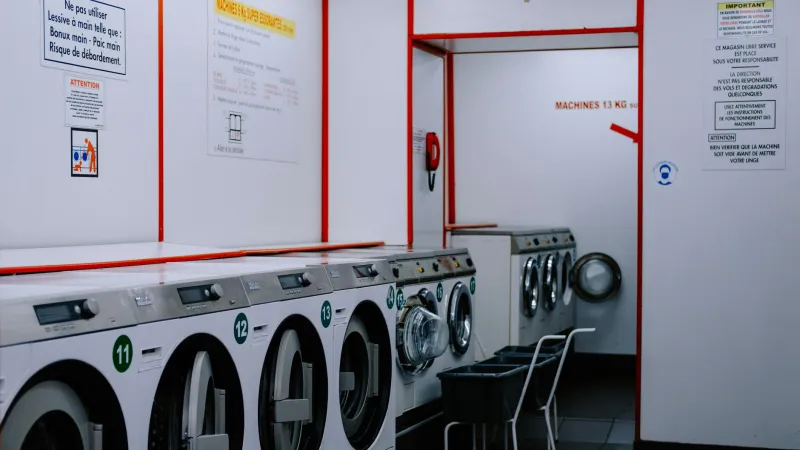
Every single time you wash those leggings — along with your sports bras, compression shorts, and moisture-wicking tees — hundreds of thousands of microscopic plastic fibers break loose and travel through your washing machine's drain. Those fibers are too small to be caught by most wastewater treatment systems. They flow into rivers, lakes, and eventually the ocean, where they accumulate in marine sediment, enter the food chain, and have been found in everything from oysters to human blood.
This isn't a fringe theory. It's been documented in peer-reviewed research for years. A single wash load of synthetic garments can release upward of 700,000 microplastic fibers. Multiply that by millions of households doing laundry multiple times a week, and the scale becomes almost impossible to comprehend.
Wait, So 'Vegan' Doesn't Mean 'Clean'?
This is the part that trips a lot of people up — and honestly, it tripped us up too when we started digging into it.
Vegan fashion made a necessary and powerful case for eliminating animal cruelty from our wardrobes. That mission is real and it matters. But the materials that replaced leather, wool, and silk — think nylon, polyester, spandex, and acrylic — are petroleum-based plastics. And plastic, as it turns out, doesn't just disappear when it's woven into fabric.
Recycled synthetics are a meaningful step forward in terms of diverting waste from landfills and reducing demand for virgin petroleum. But they don't solve the microfiber problem. Recycled polyester sheds just as readily as virgin polyester. The fibers are still plastic, still microscopic, and still incredibly difficult to remove from water systems once they're out.
This doesn't mean your recycled leggings are a bad choice — it means the full picture is more complicated than a single 'eco' label can capture.
Why Activewear Is Especially Problematic
Not all synthetic garments shed at the same rate. Activewear is actually among the worst offenders, for a few specific reasons.
First, performance fabrics are engineered to be lightweight and stretchy, which typically means a looser weave and more surface area for fibers to escape. Second, workout clothes get washed more frequently than most other garments — sometimes after every single use. Third, high-heat or high-agitation wash cycles, which many people use for gym gear to actually get it clean, accelerate fiber breakdown.
So the category of clothing you're washing most often, in the most aggressive way, is also the category most prone to microplastic release. That's a compounding problem.
What You Can Actually Do About It
Here's where we'd rather focus, because doom and guilt aren't particularly useful. There are real, accessible solutions that can significantly reduce how many microplastics your laundry sends into the water system.
Use a microfiber-catching laundry bag. Products like the Guppyfriend bag are specifically designed to trap fibers before they reach your drain. You put your synthetic workout clothes inside the bag, wash as usual, and then remove and dispose of the collected fibers in the trash rather than letting them flow into waterways. It's not a perfect solution, but studies suggest it can capture a substantial portion of shed fibers.
Try a washing machine filter. Companies like Filtrol and PlanetCare make filters that attach to your washing machine's drain hose and catch microplastics before they leave your home. These are a bigger upfront investment but work across all your laundry loads, not just the items you remember to bag.
Wash on cold and gentle. Lower water temperatures and less agitation mean less friction on fabric fibers, which means less shedding. Cold wash also uses less energy, so it's a double win.
Wash less frequently. This one sounds obvious but it's worth saying: the fewer times a garment goes through the wash, the fewer fibers it releases over its lifetime. Spot-clean when you can, air out between wears when it's realistic, and reserve full machine washes for when they're genuinely needed.
Use a liquid detergent instead of powder. Research suggests that powder detergents cause more friction during the wash cycle, which increases shedding. Liquid detergents are gentler on fabric structure.
Shopping Smarter Going Forward
If you're in the market for new activewear, the microfiber issue is worth factoring into your decision — but it doesn't have to send you back to conventional options.
Natural fiber activewear has expanded significantly in recent years. Merino wool is obviously off the table for vegan shoppers, but organic cotton, bamboo, and Tencel-based athletic wear have all improved in terms of performance. They're not always the right tool for high-intensity sweat sessions, but for yoga, Pilates, walking, and lower-impact workouts, they perform well and don't shed plastic.
For higher-performance needs where synthetics are genuinely necessary, look for brands that are at least transparent about the issue and investing in solutions. Some activewear companies are starting to incorporate tighter weave constructions specifically to reduce microfiber release, or partnering with organizations researching fiber-capture technology. That kind of accountability matters.
Also worth considering: buying secondhand activewear. Garments that have already been through dozens of wash cycles have already shed a significant portion of their loose fibers. A pre-worn pair of synthetic leggings will shed less than a brand-new pair, which is a counterintuitive but genuinely useful piece of information.
The Bigger Picture
None of this means you made the wrong call by choosing vegan activewear. The cruelty-free mission is still worth pursuing, and recycled materials are still preferable to virgin plastics. But ethical fashion requires us to keep asking uncomfortable questions even after we think we've found the right answer.
The goal isn't perfect — perfect doesn't exist. The goal is informed, eyes-open decision-making that takes both animal welfare and environmental impact seriously at the same time. Those two values aren't in conflict. They're part of the same commitment to doing less harm.
Your gym bag can reflect that. It just might also need a Guppyfriend bag tucked inside it.