Capsule Wardrobes Are Great — Unless They're Not Working for You
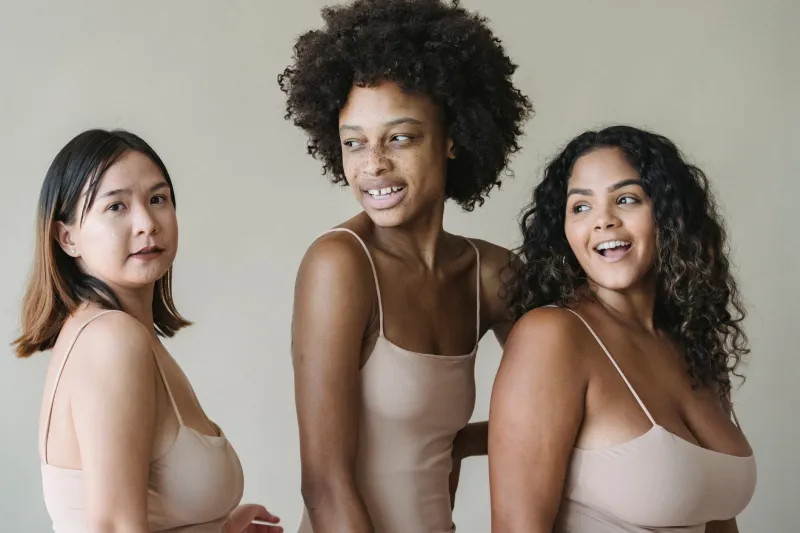
Open any sustainable fashion blog, scroll through any ethical style influencer's feed, and you'll find it: the capsule wardrobe. Ten to fifteen perfectly curated, endlessly interchangeable pieces in a palette of oat, slate, and forest green. A white button-down. Some straight-leg trousers. A single "investment" coat that costs as much as a car payment.
It's a beautiful idea. And for some people, it genuinely works. But let's be real — sustainable fashion has been handing out this advice like it's a universal prescription, and a lot of us have quietly been wondering if we're the problem when it doesn't fit our lives.
We're not the problem.
Where the Capsule Concept Came From (and What It Left Out)
The capsule wardrobe concept has been around since the 1970s, originally coined by a London boutique owner named Susie Faux. The idea got a major mainstream revival when minimalism became the aesthetic of the 2010s, and sustainable fashion communities latched onto it as a natural antidote to fast fashion overconsumption. The logic tracks: buy less, buy better, wear everything you own. Hard to argue with that.
Except the version that went viral was pretty narrowly imagined. It assumed a body that fits easily into standard sizing. It assumed a lifestyle with a relatively stable dress code — maybe an office, maybe weekend brunches, not much else. It assumed a budget that could absorb a $180 organic cotton tee without flinching. And it assumed a personal style that skews toward the quiet, the neutral, and the understated.
That's a lot of assumptions.
The Guilt Loop Nobody's Talking About
Here's what actually happens when someone who doesn't fit that template tries to force themselves into the capsule framework: they buy the "right" pieces, feel vaguely uninspired by their closet, start grabbing cheaper fast fashion items to fill the gaps, and then feel guilty about it. Rinse and repeat.
The capsule wardrobe, when applied rigidly, can actually create the shopping behavior it's supposed to prevent. If you spend your budget on a curated set of basics that don't reflect how you actually live or what genuinely makes you feel good, you haven't solved anything. You've just added a layer of shame on top of the original problem.
And that shame? It's doing real harm to people's relationships with ethical fashion. When the bar for "doing it right" is a perfectly color-coordinated ten-piece wardrobe, a lot of people decide they can't afford to care — literally or figuratively — and they check out entirely.
The Body Diversity Problem
Let's also name the elephant in the room: capsule wardrobe advice has a serious size inclusivity problem. Many of the ethical and sustainable brands most frequently cited in these guides still don't carry extended sizes. So when someone above a size 14 reads that the "obvious" choice for a sustainable blazer is Brand X at $220, and then discovers Brand X stops at a size 12, that's not just an inconvenience. It's a message.
The sustainable fashion industry has been slowly improving on this front, but slowly is the operative word. Telling someone to "invest in fewer, better pieces" when their options are already severely limited by an industry that hasn't prioritized their body is tone-deaf at best. The capsule formula doesn't account for the fact that ethical shopping requires more creative problem-solving for some people than others.
One Wardrobe Does Not Fit All Lifestyles
Then there's the lifestyle question. A capsule wardrobe built around versatile basics makes a lot of sense if you work in a fairly casual office and spend your weekends at farmers markets. It makes considerably less sense if you're a nurse who needs specific workwear, a performer who needs stage clothes, a parent of young kids who needs things that can survive a Tuesday, or someone who simply loves fashion as a form of self-expression and finds the idea of ten neutral pieces genuinely depressing.
Ethical fashion should be making room for joy, not rationing it. Wanting color, pattern, and personality in your wardrobe isn't a character flaw. It doesn't mean you're bad at sustainability. It means you're a human being with aesthetic preferences, and that's completely fine.
A More Honest Approach to Ethical Dressing
So what does a better framework actually look like? A few ideas:
Start with your real life, not an aspirational one. What do you actually wear in a given week? What activities do you need to dress for? Build from that reality, not from a lifestyle vision board.
Define "enough" for yourself. For some people, a smaller wardrobe genuinely brings peace of mind. For others, having options and variety is part of what makes getting dressed feel good. Both are valid. The goal is intentionality, not a specific number.
Work with what you already own. Before buying anything new — ethical or otherwise — do a real audit of what you have. Wear things you've been ignoring. Repair things that are broken. The most sustainable item is always the one that already exists in your closet.
Let go of the neutral palette mandate. Ethical fashion is not required to be beige. Plenty of sustainable and cruelty-free brands make clothes with personality, color, and genuine style. You're allowed to want those things.
Be honest about your budget. The "buy less, spend more per piece" logic only works if you actually have more to spend per piece. If you don't, that's not a moral failure. Look into secondhand and resale options, slower accumulation over time, and brands that offer ethical products at more accessible price points. There are more of those than there used to be.
The Real Goal Was Never Ten Pieces
At its heart, ethical fashion is about making choices that cause less harm — to animals, to garment workers, to the planet. The capsule wardrobe was always just one possible path toward that goal, not the path. Somewhere along the way, the sustainable fashion conversation started treating it like gospel, and a lot of people got left behind in the process.
Your wardrobe doesn't need to look like anyone else's to be ethical. It needs to work for your body, your life, your budget, and your sense of self. That's a much more interesting problem to solve — and honestly, a much more exciting one.
Build the closet that actually makes you want to get dressed in the morning. Do it as thoughtfully as you can. That's enough.